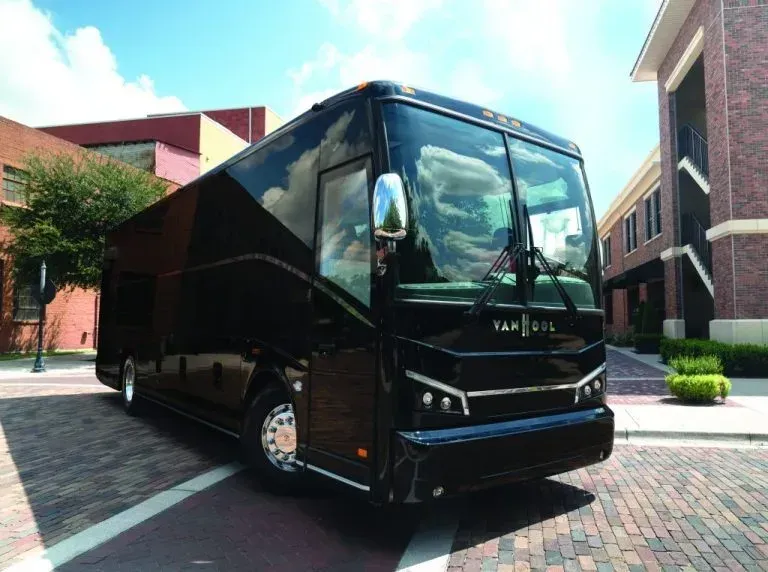
Managing transportation for a large group can rapidly become a complicated undertaking when numerous schedules, pickup plans, and travel expectations must be considered. Whether the gathering consists of corporate events, family festivities, organized outings, or special occasions, ensuring timely group arrivals demands strategic planning. A structured transportation strategy helps reduce uncertainty, avoid delays, and enhance the overall experience for all travelers. Through understanding the fundamental components of transportation coordination, planners can ensure a seamless journey from beginning to completion.
When large parties travel together, transportation plays a role that goes beyond simply transporting passengers from place to place. It contributes meaningfully to the success of the overall experience. Thoughtful planning helps support schedules, facilitate communication among passengers, and promote a smoother journey. At A1 Quality Express Limousine, we know that well-planned transportation solutions help groups enjoy a confident and hassle-free travel experience.
Prepare Transportation Arrangements in Advance
Well-organized group transportation begins through early planning. Leaving transportation planning too late may restrict options and complicate efforts to address specific group needs. Coordinators should initially determine the number of travelers, key travel dates, departure estimates, and destination expectations. Gathering this information early creates a solid foundation for making transportation arrangements that support the event's overall schedule.
Planning ahead also provides opportunities to recognize potential issues before they escalate. Traffic patterns, event schedules, pickup logistics, and passenger accessibility needs can all influence transportation plans. Addressing these factors in advance helps organizers establish a transportation plan that supports smooth movement. Extensive preparation typically helps create smoother transportation experiences and minimizes unexpected challenges.
Determine the Exact Size and Needs of the Group
One of the primary aspects of group transportation planning is determining passenger numbers and specific requirements. Accurate traveler counts assist in matching transportation resources to group requirements effectively. Planners should verify attendance information early and revise those numbers whenever plans change.
Beyond simply counting travelers, it is essential to understand individual requirements within the group. Some group members may have additional baggage needs, while others may benefit from specific accommodations or assistance. Understanding these details allows transportation arrangements to be customized accordingly. Taking the time to gather comprehensive information helps create a more comfortable and efficient experience for all passengers.
Formulate a Clear Transportation Schedule
A detailed transportation plan works as a reference point for everyone involved. Coordinators should define departure timings, pickup areas, estimated travel durations, arrival expectations, and stopovers along the route. A clear schedule helps eliminate uncertainty and keeps all participants informed of timing and locations. Strong consistency and clear planning are vital when organizing transportation for bigger groups.
Effective communication greatly contributes to schedule reliability. Each participant should be informed of transportation details ahead of time. Providing schedules through digital platforms or printed copies helps maintain awareness among participants. When participants have clear expectations, transportation operations tend to run more smoothly and efficiently.
Set Up Central Pickup and Drop-Off Points
Managing multiple pickup locations can create unnecessary complexity for large-group transportation. Organizers should prioritize centralized locations whenever practical for easier coordination. Consolidating gathering locations helps streamline the boarding process and reduces delays caused by coordinating multiple stops. This approach improves communication flow and strengthens overall efficiency.
Centralized locations provide additional benefits by making it easier to account for all travelers before departure. Team leaders can confirm group members, distribute information, and handle inquiries before departure. This method supports preparedness and keeps transportation operations on track. Clear meeting points contribute significantly to a well-coordinated travel experience.
Emphasize Clear Communication Across the Entire Process
Effective communication is one of the most valuable tools in successful transportation coordination. Participants must be kept informed of schedules, instructions, hourly limo rental and any adjustments. Reliable information ensures passengers can prepare without uncertainty. Strong communication increases both efficiency and overall satisfaction.
Organizers should ensure reliable systems for distributing information before and during travel. Communication tools such as messaging systems and emails ensure timely information sharing. Communication consistently serves as the unifying factor in organized transportation. Ongoing communication supports confidence and limits disruptions.
Plan for Unexpected Circumstances
Carefully structured transportation plans can still be affected by unexpected events. Weather conditions, traffic congestion, schedule adjustments, and participant delays may require quick decision-making. Flexibility within planning improves the ability to handle sudden changes. Being prepared strengthens adaptability and keeps operations running smoothly.
Emergency planning should involve alternate communication methods, route options, and responsible contacts. Established procedures help minimize stress and ensure structured responses to challenges. Anticipatory planning keeps operations effective even when changes occur.
Prioritize Traveler Comfort and Ease
The comfort of travelers strongly influences the journey experience. Large groups often spend extended periods traveling together, making convenience and comfort important considerations. Comfort-focused arrangements help create a pleasant journey atmosphere. Comfortable travelers are more likely to enjoy the journey and arrive prepared.
Convenience is an important factor in smooth transportation management. Simplified processes help avoid confusion and delays for passengers. Thoughtful coordination allows travelers to enjoy the event freely. A comfortable and convenient journey often enhances the overall success of the occasion.
Work with Experienced Transportation Professionals
Coordinating transportation for large groups involves many moving parts, making professional support a valuable resource. Expert providers are capable of handling schedules and coordinating group movement effectively. Professional experience helps ensure structured and dependable transportation planning.
Expert transportation teams provide insights that enhance coordination. Their experience with group travel helps them anticipate issues and suggest effective solutions. Using expert support allows organizers to concentrate on the event while logistics are managed properly.
Make Transportation an Extension of the Event
Transportation functions best when integrated into the event experience. Proper coordination gives travelers time to unwind and connect before reaching their destination. When transportation is organized effectively, it contributes positively to the overall experience and helps establish a professional and welcoming atmosphere.
At A1 Quality Express Limousine, we are committed to thoughtful planning, clear communication, and passenger-focused service. Managing group transportation becomes easier when effective strategies are used. Attention to structure and comfort ensures successful group transportation experiences. We are committed to creating reliable travel experiences that ensure passenger peace of mind.